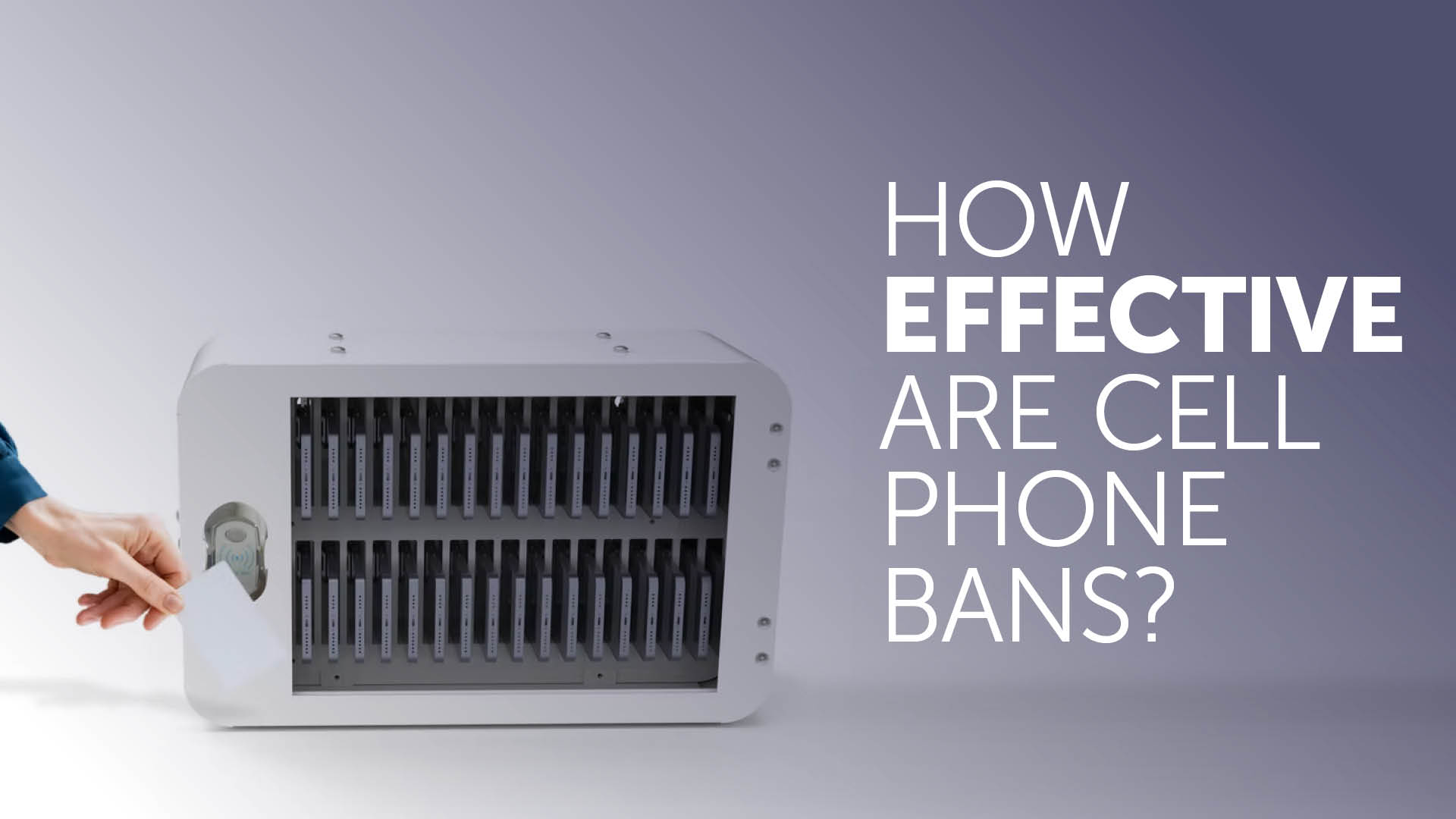
Smartphone bans have become more common in classrooms worldwide, with more recent attention in the U.S. Several U.S. states have recently implemented or are in the process of implementing school cellphone bans, including Florida, Louisiana, South Carolina, New York, Arkansas, and Texas for the 2025-26 school year and beyond. Let’s take a deeper look into cell phone bans in education and their possible effects.
Why Cell Phone Bans are Being Implemented:
- Removes distractions: Students that used their phones in class scored 20% less in exams.
- Deal with cyber-bullying – A study reported 1 in 4 U.S. students experience cyberbullying.
- Improve student outcomes: Test scores improved by 6.4% and doubled for lower performing students.
How bans can be implemented:
- Everyday classroom: Students place their phones at the start of class and retrieve phones when the class ends.
- Confiscation lock box – Perfect to lock away students’ phones when they are caught using their phone during a total ban
- Safe storage: Secure storage for children who require a mobile phone to travel to and from school. Generally used in primary schools.
Does cellphone bans really affect academic preformance?
A 2024 study conducted by Yondr, a popular cell phone pouch company, examined more than 37,000 final course grades in middle and high schools collected before and after the implementation of phone restrictions. Results indicated that student academic success rates increased by 6.27% after implementing restrictions using the pouches, with a 38% increase in the probability of passing grades in academically focused classes among students in 11th and 12th grades. The study also reported a 44% decrease in average monthly behavioral referrals and 74% agreement among teachers that students were more attentive and engaged in class after the implementation compared to before the restrictions.
A large 2025 study published in The Lancet compared students in schools with and without restrictive policies. It found no significant difference in student mental wellbeing, academic performance, or behavior. The study noted that while in-school phone use decreased, overall daily screen time remained unchanged, suggesting students simply increased their usage outside of school. Even with the success of Yondr recently, other countries and studies have been having mixed results whether they’re truly beneficial.
More research is needed to fully understand how cell phones affect learning outcomes, and the efficacy of different cell phone restrictions in K-12 schools throughout the United States in the coming years.
See our EdTech partners with phone policy solutions for schools.
What do you think about cellphone bans in school? Let us know in the comments!
Resources:
https://www.thincproducts.com.au/phone-locker
 VARconnection