
Happy National Hispanic Heritage Month! To honor some outstanding Hispanic figures in STEM, here are 4 trailblazers that inspire young students to strive in STEM learning.
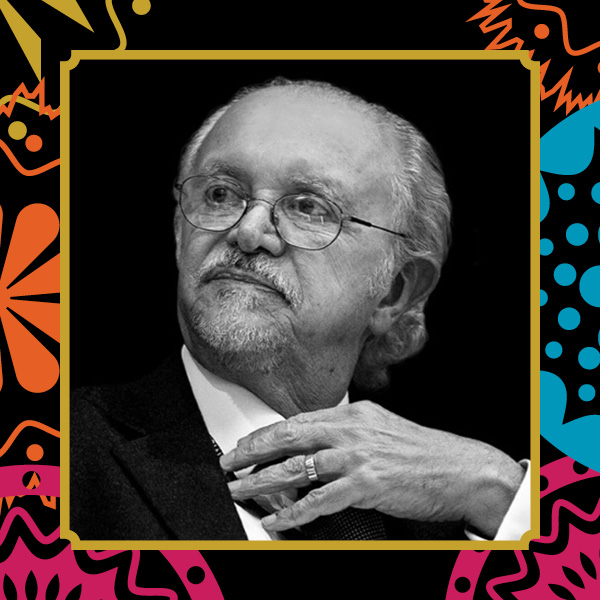
Dr. Mario Molina
Dr. Mario Molina developed a passion for chemistry as a child, converting a bathroom into a laboratory. In 1974, Molina and his partner Rowland published groundbreaking discoveries in atmospheric chemistry, particularly related to the ozone layer. In 1995, Dr Mario Molina was awarded the Nobel Prize in Chemistry alongside Rowland and Paul J. Crutzen. Beyond his research, Molina was a passionate educator who mentored countless students in environmental science and encouraged Hispanic youth to pursue careers in STEM.
Read more about Dr. Mario Molina here
Dr. Laura I. Gomez
Dr. Laura I. Gomez is a trailblazing computer scientist and tech entrepreneur who has used her platform to advocate for more diversity in technology and STEM fields. Dr. Gomez founded both Atipica, the first company to use inclusive AI to foster workplace diversity, and the founder and CEO of Proyecto Sol, a community and advocacy mental health organization focused on building safe spaces and supportive communities for Hispanics/Latinxs/Latiné. Gomez is also a vocal supporter of inclusive STEM education, emphasizing the need for Hispanic representation in the fast-growing tech industry.
Read more about Dr. Laura I. Gomez here


Ynes Mexia
Ynes Mexia was one of the most successful botanists and female plant collectors of her time, not even beginning her career until she was 55 years old. Mexia spent 13 years traveling the Americas along the Amazon River, collecting more than 150,000 plant samples and is credited with discovering more than 500 new species. She was a fierce conservationist and was an early pioneer in fighting to preserve the redwood forests of Northern California.
Read more about Ynes Mexia here
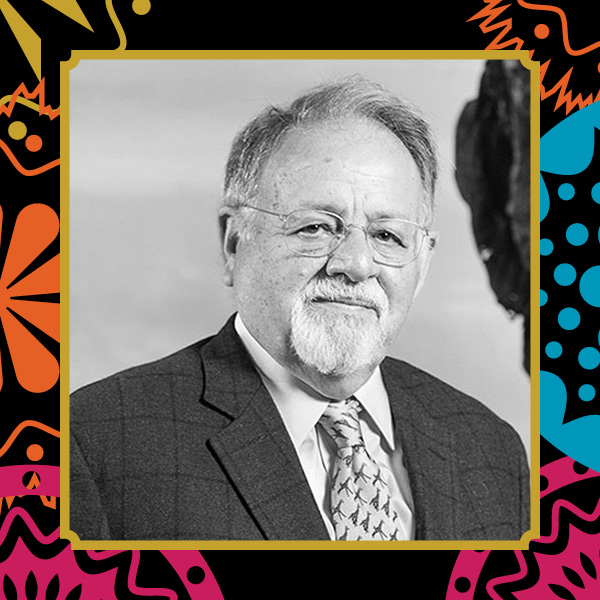
Pedro A. Sanchez
Pedro A. Sanchez is a soil scientist whose work has helped increase successful farming in tropical areas in South America that were thought to be unsuitable for agriculture. He also helped improve agroforestry in Africa. Leading a research team in Peru, Sanchez produced among the highest rice yields in the world and helped the nation achieve self-sufficiency in rice and continued to use these practices along the way. In 1991, Sanchez accepted a position in Kenya as Director General of the International Center for Research in Agroforestry (ICRAF), where he made his most enduring contribution to ending world hunger.
Read more about Pedro A. Sanchez here
 VARconnection